
MEP Engineering office
Pour vos études et plans, ARC est le leader de la sous-traitance.
Our expertise in HVAC, Plumbing and Electrical engineering:
MEP Design Engineering Office
Our MEP engineering office specializes in HVAC, plumbing, and electrical design and drawings, covering heating, ventilation, air conditioning, plumbing & sanitary systems, as well as low- and high-voltage electrical installations for buildings.
We offer subcontracting services for HVAC and plumbing engineering assignments at rates that are competitive compared to the market, backed by technical expertise in fluid systems engineering across France and French-speaking Switzerland.
Unlike a simple subcontractor, we are originally a design office, which means we understand your needs and translate them into high-quality deliverables.
This is what makes ARC a leader in subcontracted design: a genuine French-Swiss engineering office at a competitive cost.
Contact us for your projects at any stage or to set up an exclusive management service.
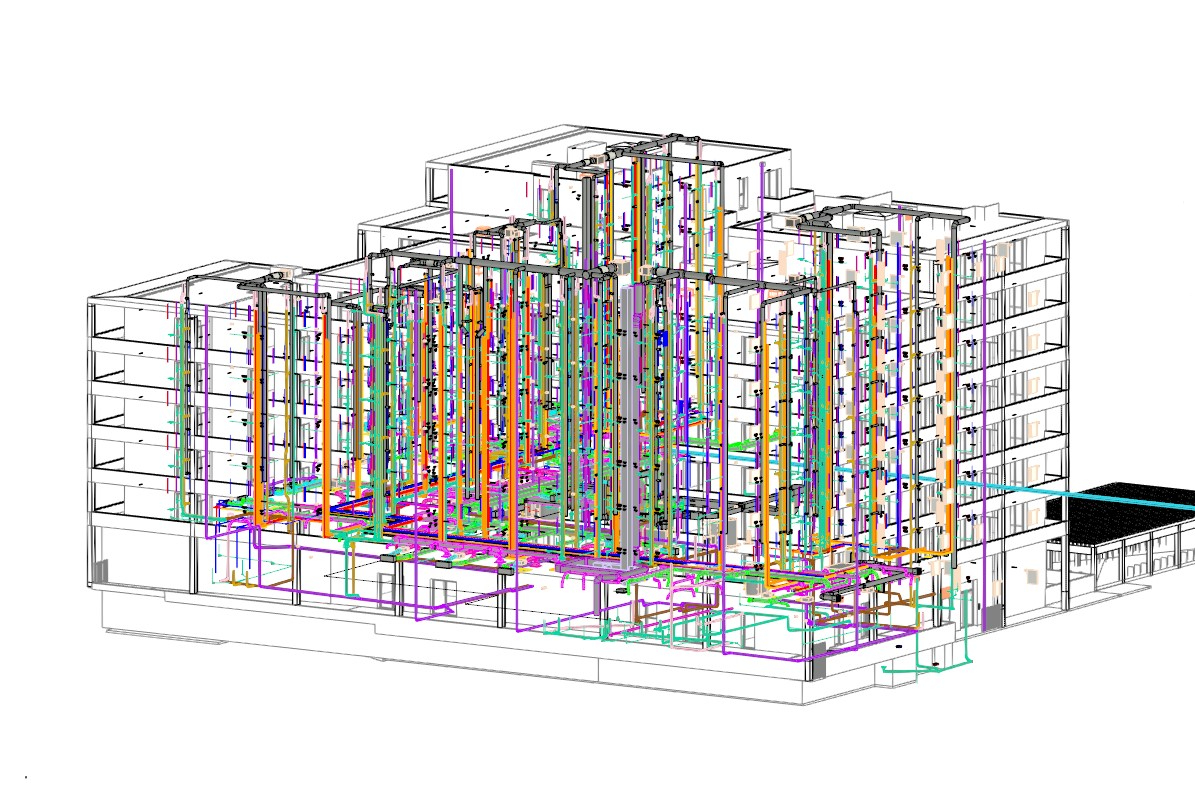
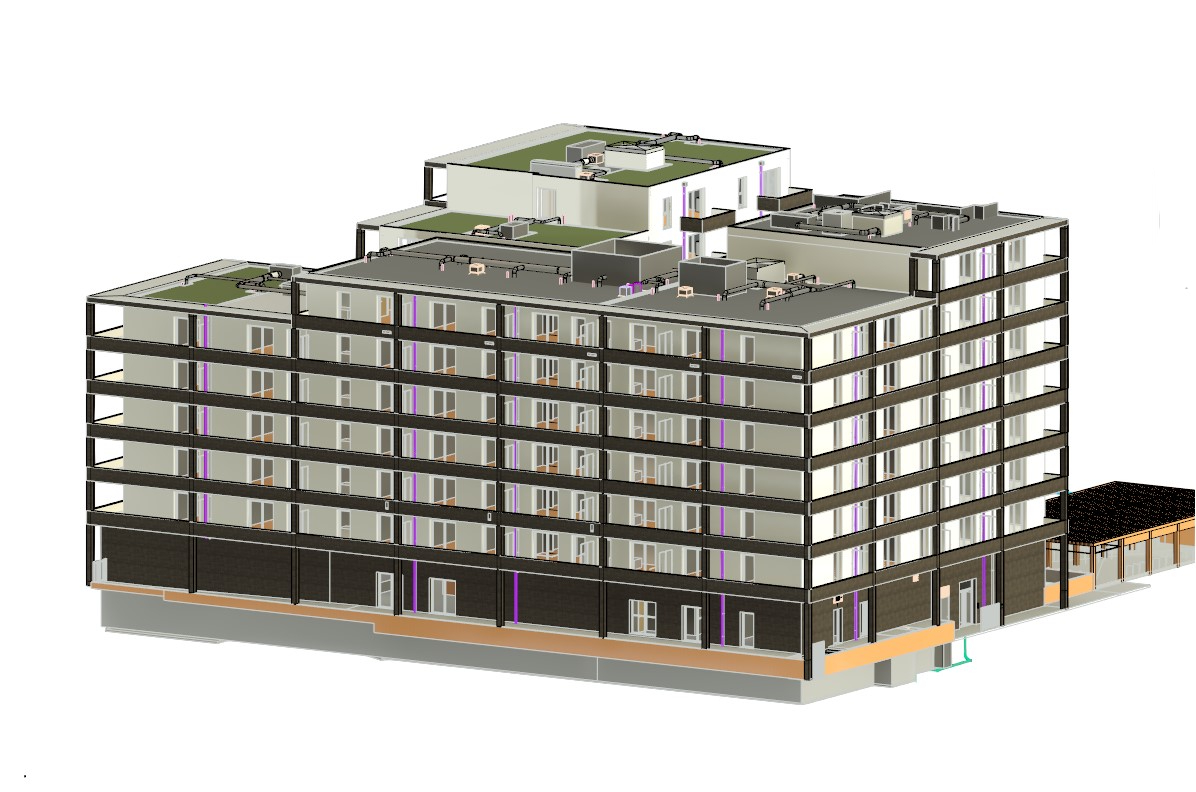
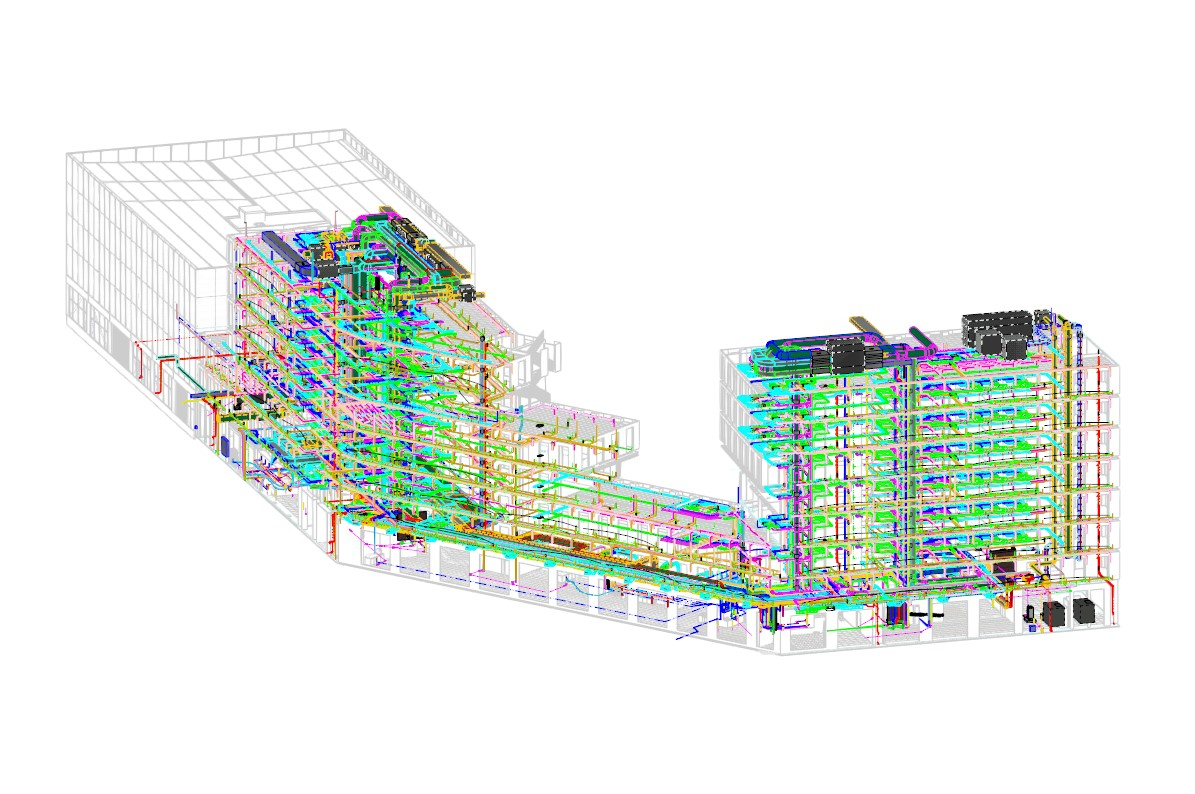
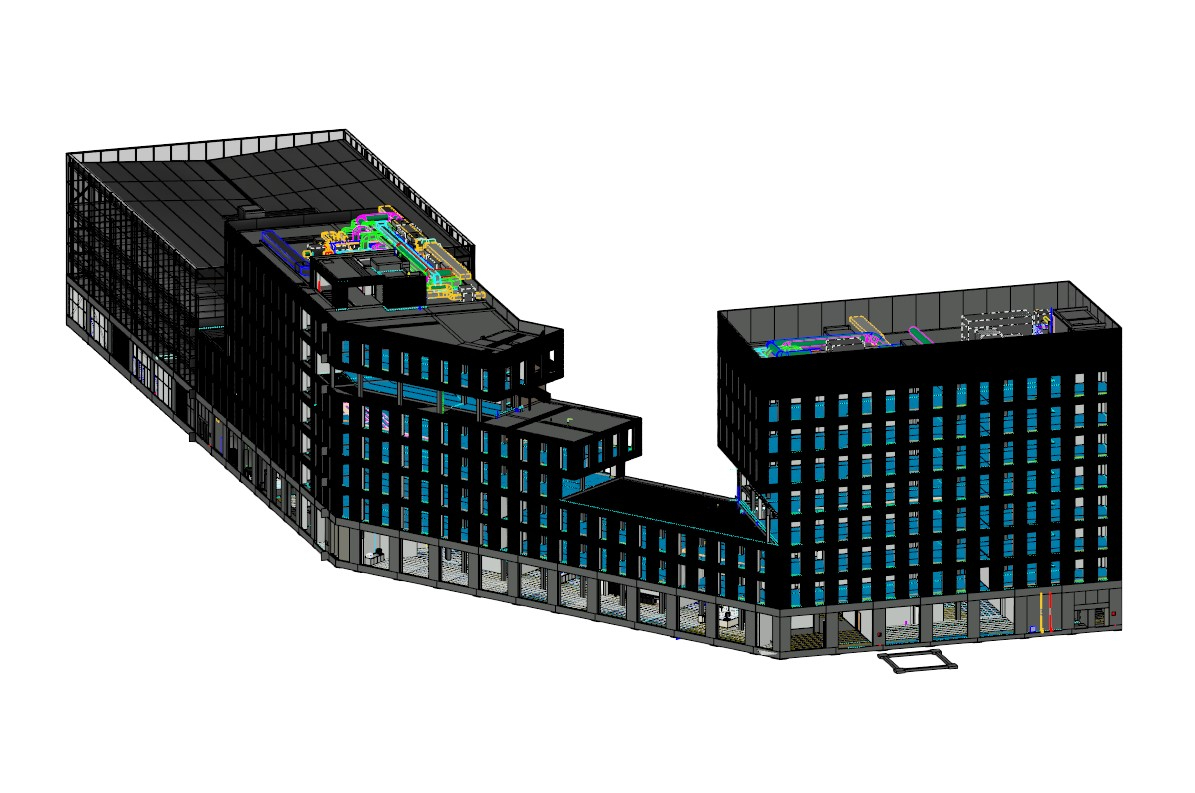
Our team of fluid engineers and Revit/AutoCAD experts supports design offices, contractors, architects, and general contractors in the design and production of execution plans or HVAC, plumbing, and electrical projects at all phases.
Expertise in Projects & Execution Plans
- System Sizing
Through calculation notes based on design requirements or tender/bid documents. - Plan Production
From A to Z, according to your specific needs or based on survey data,
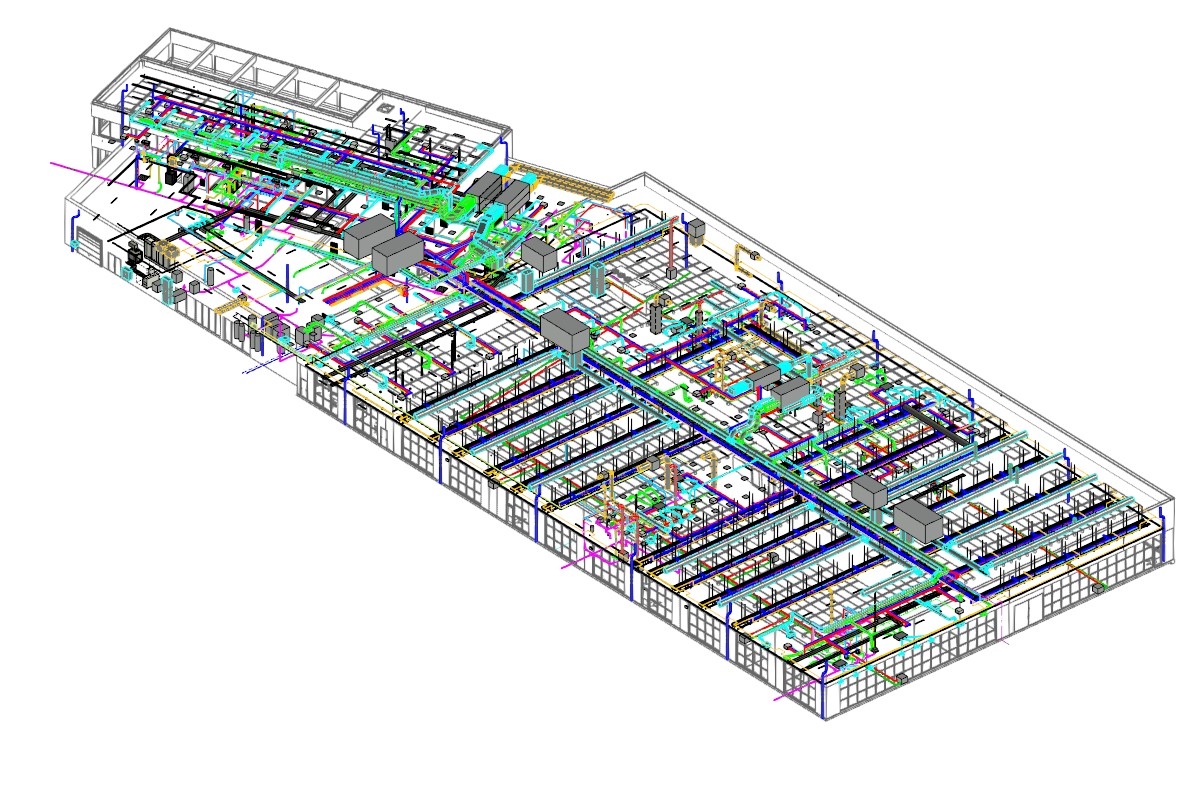
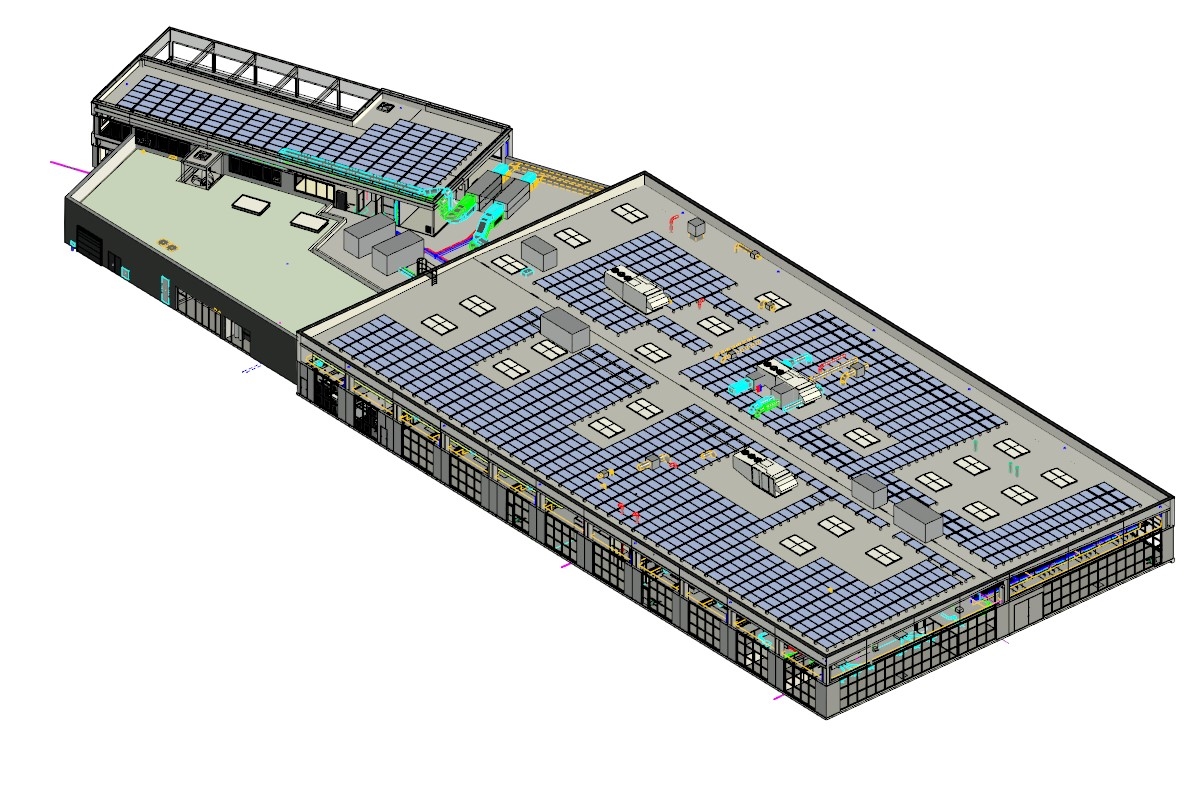
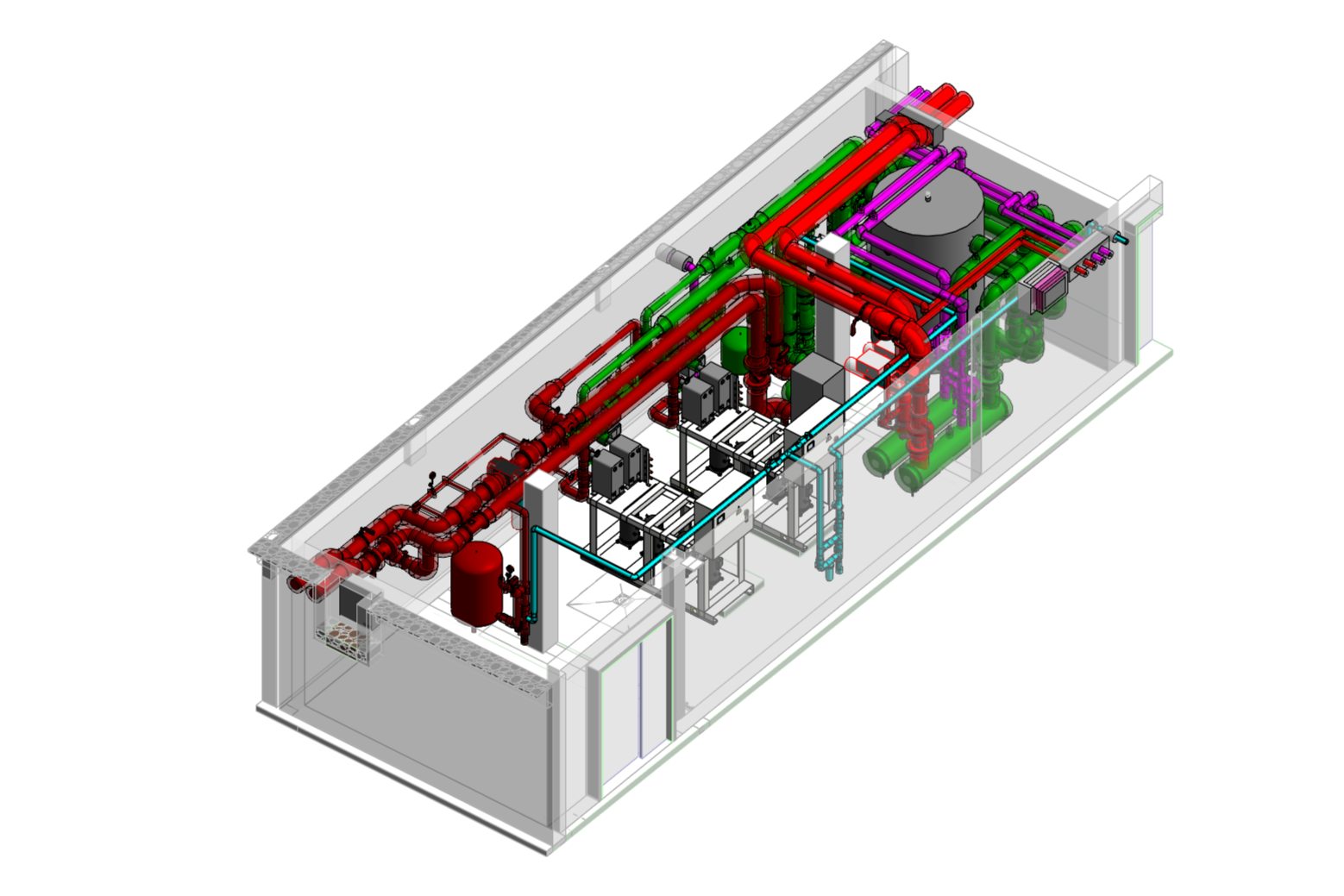
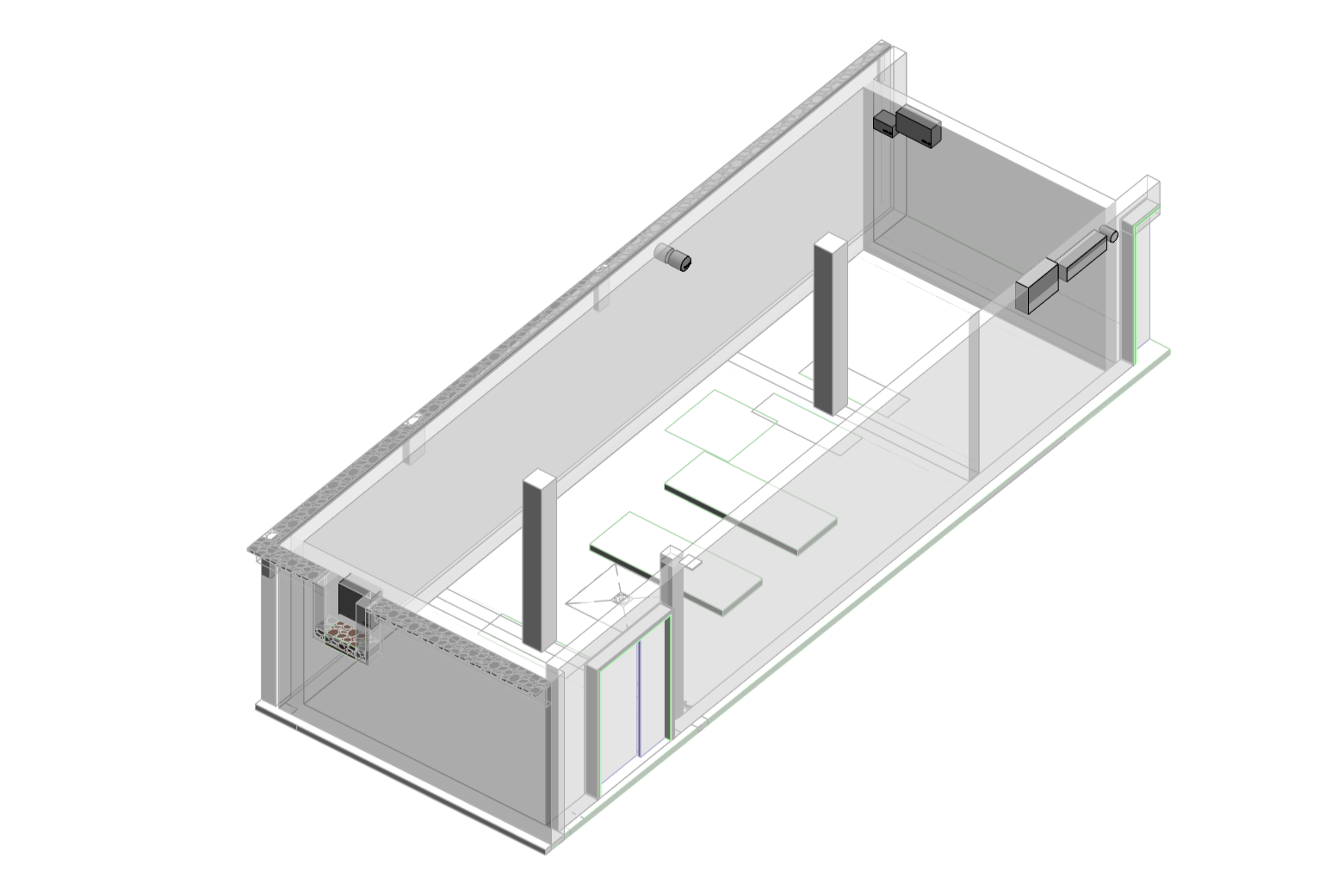
our team has the expertise and experience required for your 2D, 3D, and BIM plans across all project phases, including execution and revisions. - Clash Detection and Technical Coordination
In addition to Revit, we are proficient in Navisworks and BIM Collaborate through previous BIM projects and competitions.
Our team is accustomed to working in the cloud internally. - Quantity takeoffs and measurements export
- Setup of Views and Detailed Sections
- Professional training and educational interventions/conferences.






FAQ
What is an HVAC engineering office?
An HVAC engineering office (Heating, Ventilation, and Air Conditioning) is a key technical player in any construction or renovation project. Its main mission is to design, size, and optimize the building’s technical systems, ensuring regulatory compliance, energy performance, and seamless integration into the overall architecture.
The term “HVAC engineering office” is often used as a shorthand for a building services engineering office, a climate engineering consultancy, or even a technical design office in a broader sense, which may also include plumbing (water & sanitary systems) and electrical works (high- and low-voltage).
🔧 What exactly does an HVAC / building services engineering office do?
Depending on the project, the engineering office may work on all of the following technical disciplines:
Heating, Ventilation, and Air Conditioning (HVAC): equipment selection, sizing of air and water networks, thermal calculations, and control systems.
Plumbing / Sanitary Systems (PB/S): water supply, drainage, sizing of risers, and sanitary equipment.
Electrical (high current / low current): electrical distribution, lighting, structured cabling (VDI), fire safety, security alarm systems (SSI), etc.
It produces technical drawings, calculation notes, and schematic diagrams, and sometimes supports the project owner through the execution phase or construction site (approval, coordination, site supervision).
Why work with an HVAC (or MEP) engineering office?
To ensure regulatory compliance (RE2020, DTU standards, electrical codes, etc.)
To ensure smooth coordination between the different technical trades
To optimize the building's thermal, acoustic, and energy performance
To avoid costly errors during construction through well-controlled design
Who is an HVAC engineering office for?
To architects and project supervisors, during the design phase
To property developers, landlords, and general contractors
To installation companies wishing to outsource the design portion
To private clients, for residential, commercial, or industrial projects
At ARC, we act as an outsourced MEP engineering office (HVAC, plumbing, electrical), with an experienced team capable of adapting to your organization, tools, and projects, from design through revision.
What is the difference between an HVAC modeler and a design engineer?
A HVAC modeler is primarily a technician specialized in 3D modeling of heating, ventilation, and air conditioning (HVAC) networks, often using software such as Revit or AutoCAD. Their role is to interpret the instructions provided to them — drawings, calculation notes, guidelines — to produce compliant models. They focus mainly on the accurate graphic representation of the systems, without necessarily knowing the full project context.
A HVAC design engineer, on the other hand, goes beyond drafting. They can carry out or study technical design, manage coordination with the other trades even before the project begins, and has of a comprehensive understanding of the project, from the concept phase through execution. They know how to anticipate technical, regulatory, and economic constraints, and propose suitable solutions. Having often already managed projects from A to Z, they understand the challenges faced by clients, project managers, and site teams..
In summary:
-
Thedesign engineer can design, anticipate, and lead.
At ARC, we work with both profiles, but we know how crucial the added value of an experienced design engineer is for the smooth running of a project, even though its usefulness isn't always obvious from the outset. for the smooth running of a project, even though its usefulness isn't always obvious from the outset. It's often during complex or critical phases that we truly measure the impact of upfront expertise.
What is the added value of our engineering office compared to another subcontractor?
ARC-MEP positions itself as a reliable, agile technical partner that easily integrates into your workflows. Our approach is designed to help you strengthen your production capacity without adding complexity to your structure.
🔹 Experienced profiles, ready to work from day one
We work with seasoned modelers and design engineers who can quickly adapt to your organization, tools, and standards. This ensures a fast ramp-up and a strong level of autonomy from the very first assignments.
🔹 Competitive pricing compared to the market
Our positioning allows you to benefit from excellent value for money while accessing solid expertise. No employer charges, no long-term commitment: you stay in control of your costs and profitability.
🔹 Useful during peak periods, even more valuable during slow ones
ARC allows you to react quickly during periods of high activity, while also preserving your financial balance during calmer periods. You mobilize our resources only when you need them — without the constraints of permanent employment.
🔹 Simple collaboration setup
We adapt to your way of working: tools, formats, methods. Integration happens naturally, without disrupting your existing organization.
✅ In summary :
Flexible
Competitive
Easy to integrate
That respects your real needs
A solution to stay agile, without sacrificing quality.
 EN
EN  FR
FR